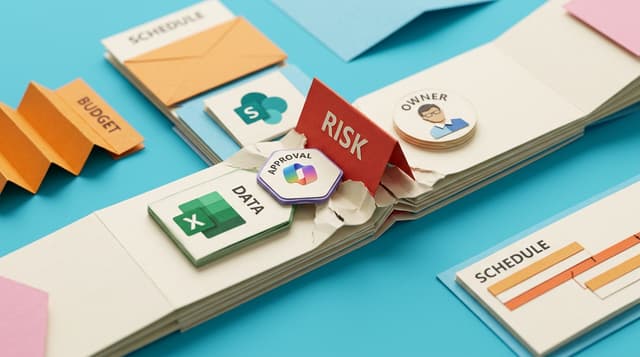
Copilot can draft a plausible Power Automate cloud flow, but save success and green connections do not prove trigger, dynamic fields, recipients or connection identity match the business process. A first-run safety gate with test data and a run-revise-escalate decision is…
Copilot can draft a Power Automate flow quickly, but the maker still needs to prove the trigger, fields, connections, recipients, and first-run effects are safe before live use.
Copilot Flow Safety Checklist for First-Run Sign-Off
Copilot-built Power Automate flows can send messages, update records, or trigger approvals. This checklist covers trigger, actions, dynamic content, connections, and test data to confirm the draft matches the intended process before first-run sign-off.
Members only
1 like·0 comments
Collab365 Team
Pulse·Last Update: 24th Aug 2026·learn.microsoft.com
SharePoint created-or-modified triggers report connector activity, not business intent. Without field or status conditions, Power Automate flows duplicate work on system updates, concurrent edits, and permission changes.
Microsoft’s 2026 release plan lists direct scheduling for desktop flows and a flow-chart view as August public previews, with dates subject to change. Makers still need machine owners, connection checks, and tested failure paths before production use.
Microsoft sharing docs still tie Power Automate flow actions to whoever authorised each connection. Co-owners alone will not keep departmental automations alive after staff leave. Critical flows need connections under a stable shared account.
Microsoft Power Platform admin docs separate Microsoft 365 seeded Power Automate rights from Premium, Process, and RPA capacity. Seeded plans cover standard cloud connectors; premium connectors, unattended desktop, and AI Builder sit on paid paths that can block production.
Copilot Studio agent skills package a job’s instructions, scripts and templates into a zip another agent can run. A certificate PDF example shows creation via Skill Creator, upload, and why tests with missing fields reveal whether the skill asks or invents.
Microsoft shipped a Power Automate plugin for GitHub Copilot CLI and Claude Code. Makers can create, edit, run and debug cloud flows in natural language from the terminal, shortening the run-history debug loop while ownership and production controls still matter.
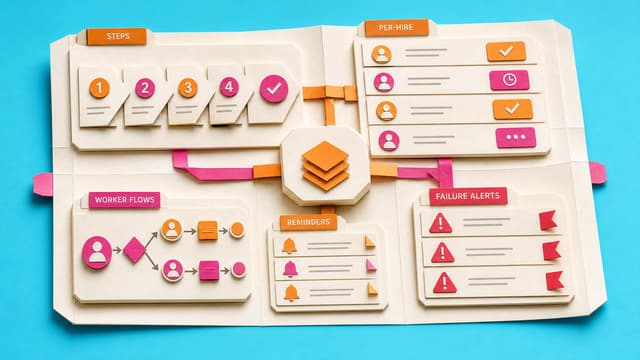
Three SharePoint lists, a starter onboarding template pack, five guarded Power Automate flows, and one completed fictional-hire proof for an HR or operations coordinator.
Who builds it? You build the app in the named platform, with AI coaching you through the work.
Before you start: A licence, permission to create apps, a safe test area, and sample data.
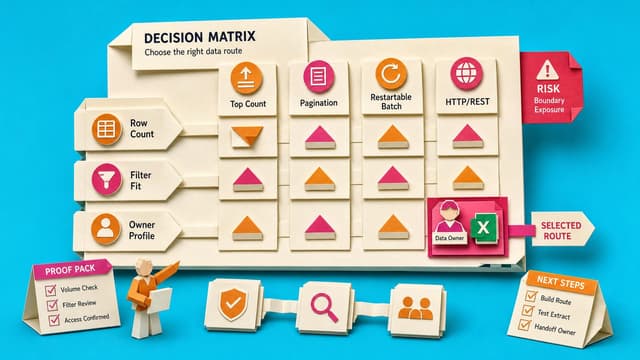
Power Automate Get items can finish green yet leave SharePoint rows behind. Defaults return 100 items; Top Count caps at 5,000; pagination follows performance-profile ceilings. Match the first test to the symptom before changing a live flow.
A coordinator records one known cloud flow per row in a SharePoint list, links each active row to a handover sheet, and adds two small cloud flows that remind the team to review old records and flag changes to the person responsible.
Who builds it? You can follow the guide and complete the setup yourself.
Before you start: Access to the tool, permission to change its setup, and sample data.
2021 Power Automate beginners face a new designer, Copilot and licence names in 2026. Core triggers, actions and conditions still hold. Update designer use, testing and sharing; verify Do Until limits, concurrency, connections and current tenant licensing before production.
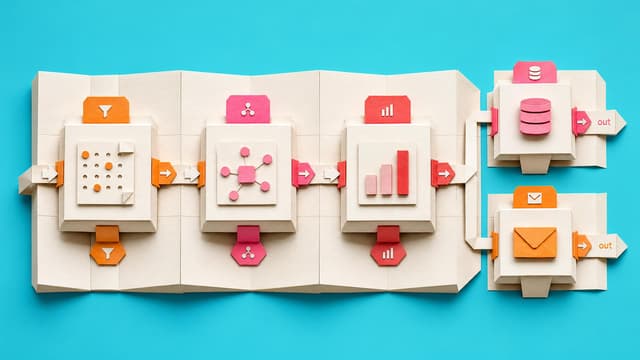
Power Automate Get items often returns only part of a SharePoint list due to the 100-item default, Top Count, pagination settings or the 5000-item threshold. Flows run green while missing rows, so reports, migrations and updates stay incomplete until retrieval is proven.
SharePoint with Power Automate supports contract storage, metadata and simple approvals. Negotiation, clause libraries, obligations and renewals often need dedicated CLM. This guide maps Microsoft 365 options to legal requirements and licensing constraints.
Copilot Studio workflows can call an agent via the Agent node for one judgement-heavy step, then reuse the response downstream. The public-preview feature runs in the user’s context; outputs need validation before irreversible actions.
SharePoint’s Button web part can launch a flow by Flow ID, but sharing, connection consent, and default-environment limits still decide whether site visitors can run it successfully.
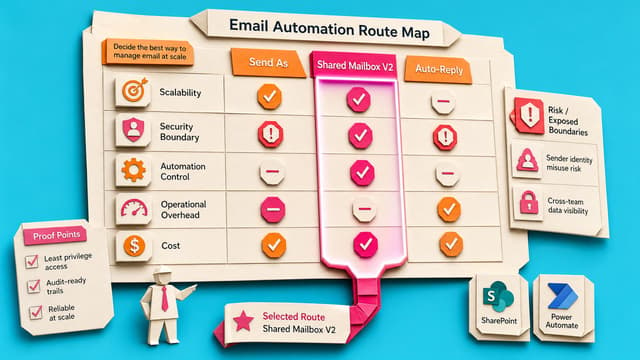
Choose Send As, Shared Mailbox V2, or Mailbox Auto-Reply
Power Automate can send mail successfully while still failing the business test if messages leave from the maker instead of HR, finance, or support. Send As, Shared Mailbox V2, and mailbox auto-reply differ on sender identity, reply routing, permissions, and Sent Items.
Public
1 like·0 comments
Live 14th Sept 2026
Collab365 Team
Blocker·Last Update: 14th Sept 2026
My automated emails come from me instead of the shared mailbox
Power Automate flows can succeed yet still send from the maker, not the shared mailbox. Wrong Outlook action or missing Send As permissions cause bad sender identity and Sent Items in the wrong place. Correct action and Exchange rights fix it.
Public
0 likes·0 comments
Live 1st Oct 2026
Collab365 Team
Briefing·Last Update: 1st Oct 2026
Has This Flow Outgrown Power Automate? The Logic Apps Escalation Checklist
Power Automate flows often start as team-owned tasks but later become embedded in daily operations. This checklist helps makers evaluate whether a flow remains suitable for Power Automate or requires escalation to Logic Apps based on ownership, volume, monitoring, and support…
Public
0 likes·0 comments
Live 5th Oct 2026
Collab365 Team
Blocker·Last Update: 5th Oct 2026
I do not know when my Power Automate flow has outgrown Power Automate and needs Logic Apps
Power Automate flows built for low-volume human processes later become high-volume system integrations. Makers lack criteria to decide when ownership should shift to IT and Logic Apps.