Product Hunt launch yields no buyers so founder ships a free readiness check
 Reviewed by Helen Jones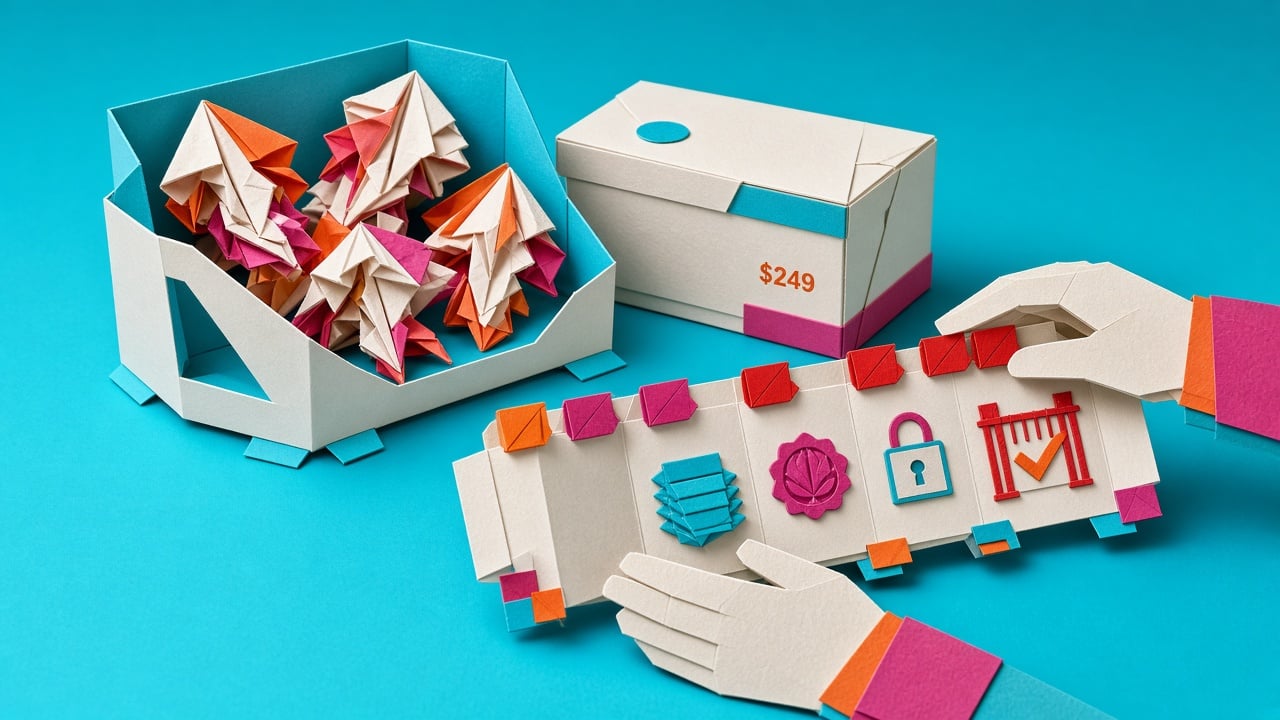
On 23 September 2026 a founder wrote on Indie Hackers that a B2B SaaS OS launched on Product Hunt earlier that month produced basically zero traffic and zero sales. The paid product is a $249 one-time source-code foundation for Next.js, Supabase, PostgreSQL and Stripe. Instead of adding features, they shipped a free, no-account SaaS Production Readiness Check covering ten multi-tenant risk areas, including tenant isolation, Supabase row-level security, Stripe webhook authenticity and idempotency, API key revocation, and invitation race conditions. It is a self-assessment, not an automated scanner. Conversion from the check had not been reported. Product Hunt’s own launch guide, updated 22 September 2026, still requires products to be new or substantially updated, bans paid upvotes, and bars company accounts from posting products or comments.
A Product Hunt slot used to feel like a default launch day for a finished paid product. For a $249 developer kit, that assumed strangers would trust source code, Stripe wiring, and multi-tenant risk after a homepage glance. This post is one founder’s counter-example, not a platform-wide traffic study. What changed is the experiment they ran after the silence. They treated acquisition as a trust gap, not a feature gap, and put a free diagnostic in front of the invoice. The checklist still cannot prove the starter is safe. It can only show whether naming the buyer’s failure modes earns attention that a hunter page did not.
Analysis
Treat this as a demand test, not a Product Hunt verdict. Before another launch, write a no-account self-check that lists the five ways your buyer’s current stack actually breaks, then count emails or replies for a week before you touch the paid product again.
Source note
Pulse published by Collab365 Spaces, reviewed by Helen Jones on . Cite as "Product Hunt launch yields no buyers so founder ships a free readiness check", Collab365 Spaces. 2 sources referenced.