Microsoft puts Fabric first for Dataverse data exports in Power Apps
 Reviewed by Helen Jones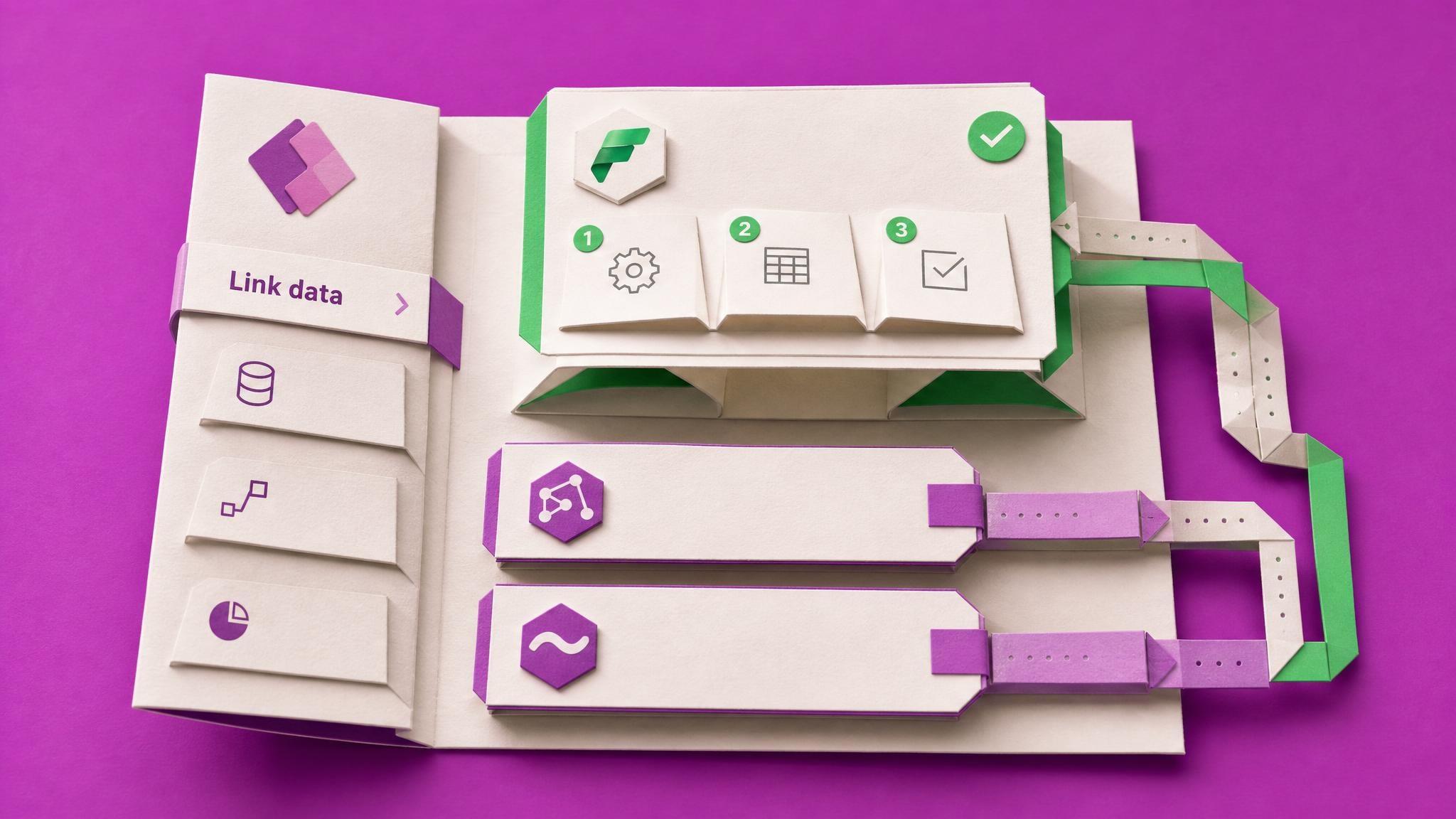
Microsoft has refreshed how makers connect Dataverse data to analytics tools inside the Power Apps portal. The old Azure Synapse Link for Dataverse name is gone. A single left-nav entry called Link data now groups every export path in one place. Fabric Links sit at the top as the recommended option, with a redesigned three-step wizard for setup, table selection, and review. Azure Synapse Link and Azure Data Lake options remain under Other Links. Existing links keep running with no migration required. Workspace identity is now the preferred sign-in method for Fabric links. Pricing and APIs are unchanged. The rollout is progressive and aimed at worldwide availability by early August 2026.
Until now, exporting Dataverse data for reporting meant hunting across separate portal surfaces and treating Azure Synapse Link as the default path many teams already had documented. Makers often hit permission failures with service principals and had no single place that made Microsoft’s preferred destination obvious. That default has flipped. Fabric is now the path Microsoft wants new analytics work to take, while older Synapse and Data Lake links are preserved but demoted. For builders still on SharePoint lists, nothing in the studio changes today. The signal is strategic: if your company later moves internal apps onto Dataverse for richer data or reporting, Fabric is the export story you will be steered toward, not the Synapse runbooks many IT teams still keep.
Analysis
Treat this as a watch item, not a reason to rebuild anything. Check whether your current apps actually use Dataverse tables at all. If they are still SharePoint-backed canvas apps, leave Link data alone and only revisit when someone asks for live analytics off Dataverse rather than list views and Power BI on SharePoint.
Source note
Pulse published by Collab365 Spaces, reviewed by Helen Jones on . Cite as "Microsoft puts Fabric first for Dataverse data exports in Power Apps", Collab365 Spaces. 2 sources referenced.