Microsoft locks classic SharePoint pages on a 2027 to 2028 timeline
 Reviewed by Helen Jones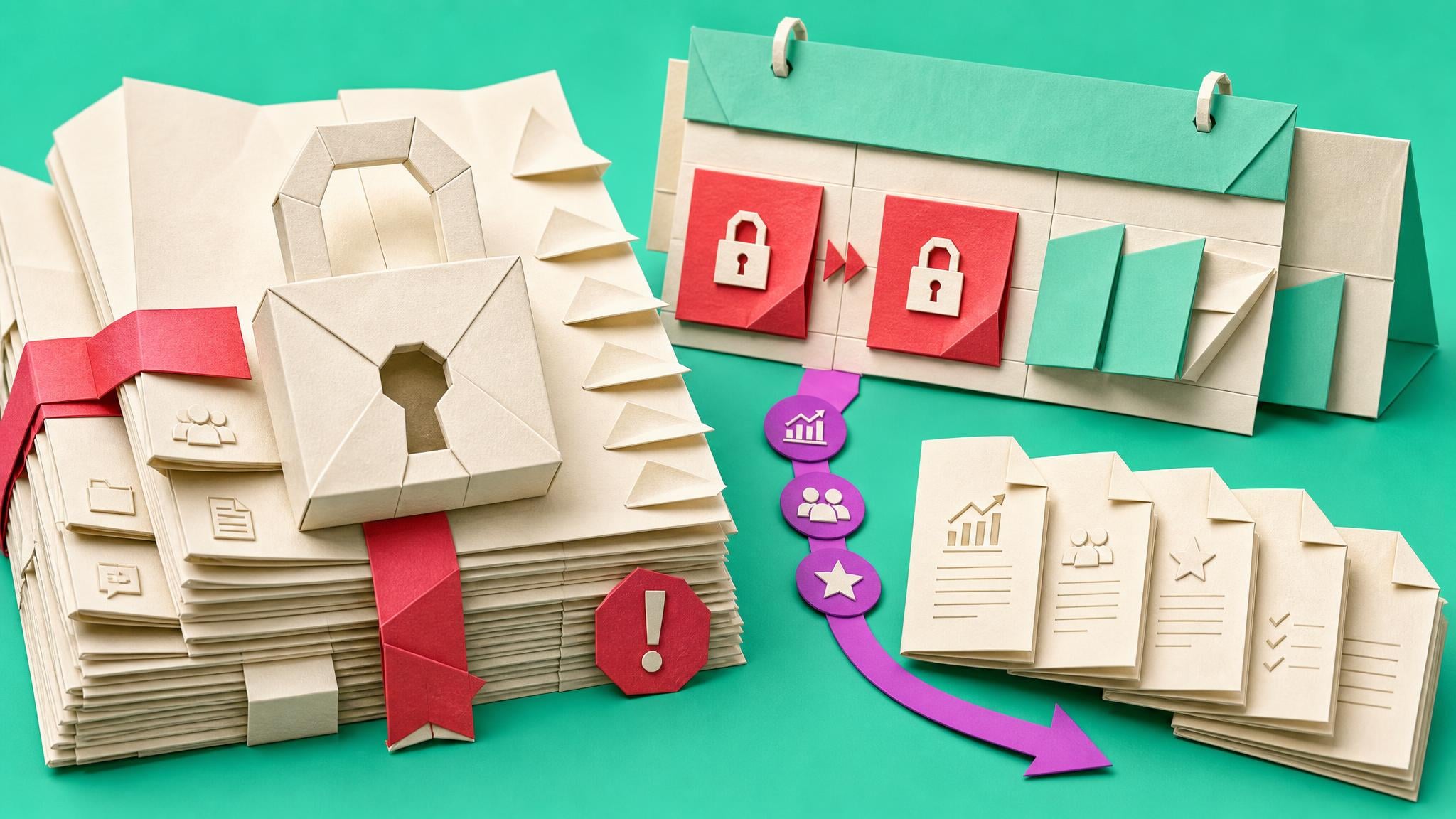
Microsoft has set firm dates to wind down classic SharePoint publishing sites, classic user-created pages, and related custom scripting in SharePoint Online. Phase 1 starts on 1 March 2027. From that day, tenants can no longer create new classic publishing sites or turn on the classic publishing feature, and AllowClassicPublishingSiteCreation is forced off. For tenants created on or after 1 March 2027, new classic pages are blocked and custom script add or update is off by default. Phase 2 starts on 1 October 2028. Existing classic user-created pages in older tenants become read-only, and custom script limits widen. In scope are wiki, web part, blog, publishing, and custom ASPX pages. Existing pages are not deleted and stay viewable. List and library views and form pages sit outside the current read-only plan, though embedded custom scripts are still affected. The change covers commercial, GCC, and other sovereign clouds.
Until now, classic publishing sites and wiki-style pages could linger as quiet backstops for old intranet sections, department handbooks, and one-off ASPX customisations. Small admin teams often left them alone because they still opened, still ranked in search, and still avoided a redesign nobody had time to own. That holding pattern ends on a calendar, not a soft recommendation. After March 2027 you cannot spin up a new classic publishing site as a temporary fix or migrate classic publishing as-is into a fresh classic shell. By October 2028, remaining classic user pages stop accepting edits. Anything still powering navigation, news, or process pages needs a modern path while content owners still exist, or it freezes in place under a home site and hub structure that leadership expects to look current.
Analysis
Treat this as a discovery deadline, not a rewrite of every abandoned wiki. Run the Microsoft 365 Assessment Tool against your main intranet, hub, and high-traffic team sites, or pull Purview audit events for ClassicPage activity, and shortlist only the classic pages that still draw real use for a modern rebuild before Phase 1 closes the easy escape routes.
Source note
Pulse published by Collab365 Spaces, reviewed by Helen Jones on . Cite as "Microsoft locks classic SharePoint pages on a 2027 to 2028 timeline", Collab365 Spaces. 1 source referenced.