Microsoft is swapping the engine behind shared Outlook calendars
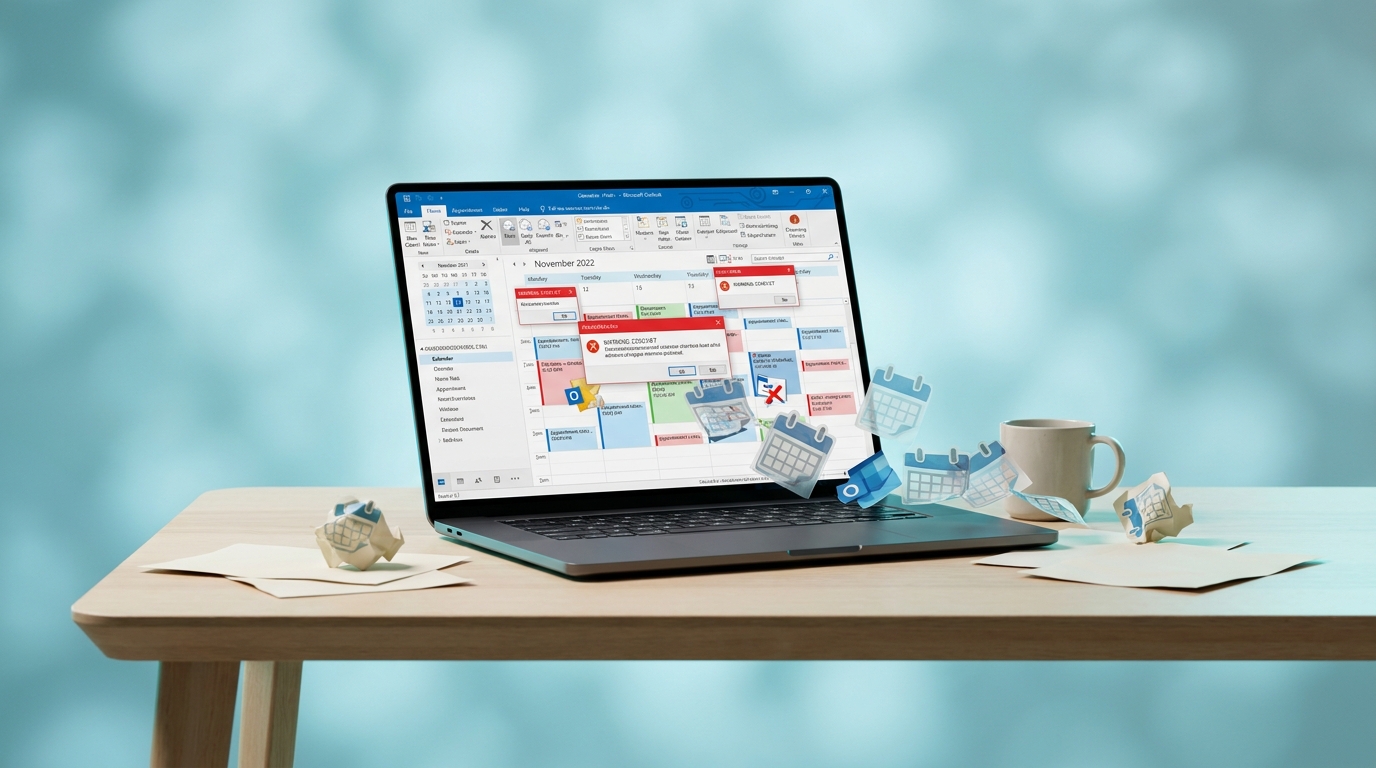
Starting late May 2026, Microsoft began moving shared calendars in commercial tenants from the old MAPI system to a REST-based model. The change finishes by late July 2026. Government tenants receive it in June. No admin or user steps are required. The upgrade happens automatically across Outlook desktop, web, and mobile. Shared calendars should gain faster mobile sync and other improvements once the switch completes.
Until now, shared calendars have behaved the same way for years. Users open them, see the same meetings, and trust that the view on their phone matches the view on their laptop. The switch replaces the underlying system without notice. If a calendar stops updating or shows the wrong free-busy data, the problem will appear as a random glitch rather than a known change, leaving users to waste time diagnosing what Microsoft already altered.
Analysis
Open every shared calendar you actually use this week and note any odd behaviour now, while you still have time to report it with a clear before-and-after.
Source note
Pulse published by Collab365 Spaces. Cite as "Microsoft is swapping the engine behind shared Outlook calendars", Collab365 Spaces. 2 sources referenced.