Microsoft brings AI code generation to model-driven Power Apps
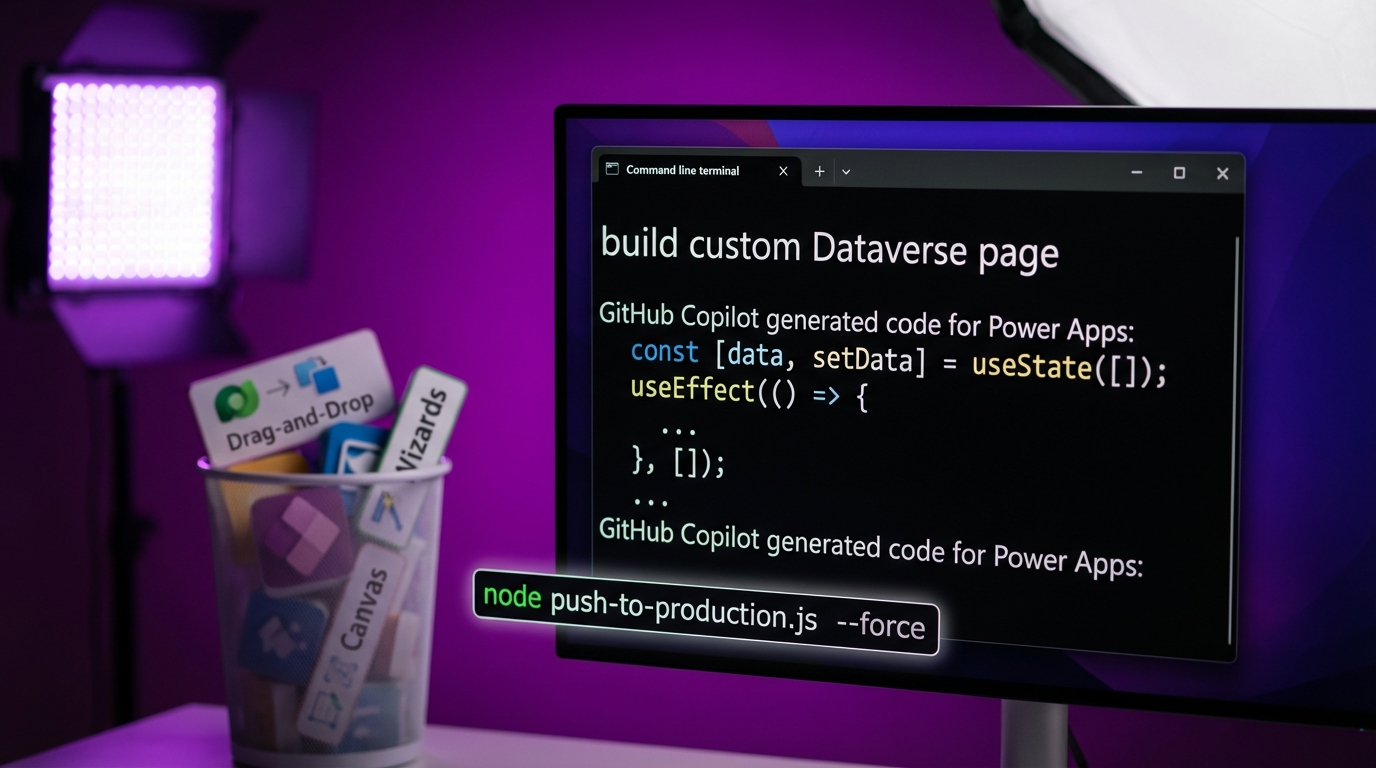
Microsoft has introduced a method for developers to build custom pages in model-driven Power Apps using AI tools like GitHub Copilot CLI and Claude Code. Users type natural language prompts to generate the underlying page architecture. The system outputs TypeScript and React code that connects directly to Dataverse tables. Developers then use the Power Platform command line interface to push these pages straight into production environments. This workflow carries strict technical prerequisites. It requires Node.js, specific command line plugins, and operates exclusively within Dataverse environments.
Historically, extending a model-driven app meant forcing traditional software engineers to abandon their preferred tools to write custom web resources. Citizen developers stuck to visual canvas apps, while professional coders found the Power Platform ecosystem restrictive and disconnected from modern development practices. Microsoft is now bringing standard development practices into the platform, but strictly for the professionals. By letting AI generate React components from a command line, they are admitting that complex enterprise tools require actual code. The distance between visual drag-and-drop builders and traditional developers is growing, as Microsoft hands its best AI tools to the code-first crowd.
Analysis
When you see headlines about AI building Power Apps, understand that Microsoft means React code for Dataverse, not a magic fix for your SharePoint canvas app. Stop waiting for an AI prompt to auto-align your messy galleries. Spend your afternoon building a reusable component library for your headers and navigation so you never have to manually adjust X and Y coordinates again.
Source note
Pulse published by Collab365 Spaces. Cite as "Microsoft brings AI code generation to model-driven Power Apps", Collab365 Spaces.