AI-built Power Apps often fail once they reach real users and permissions
 Reviewed by Helen Jones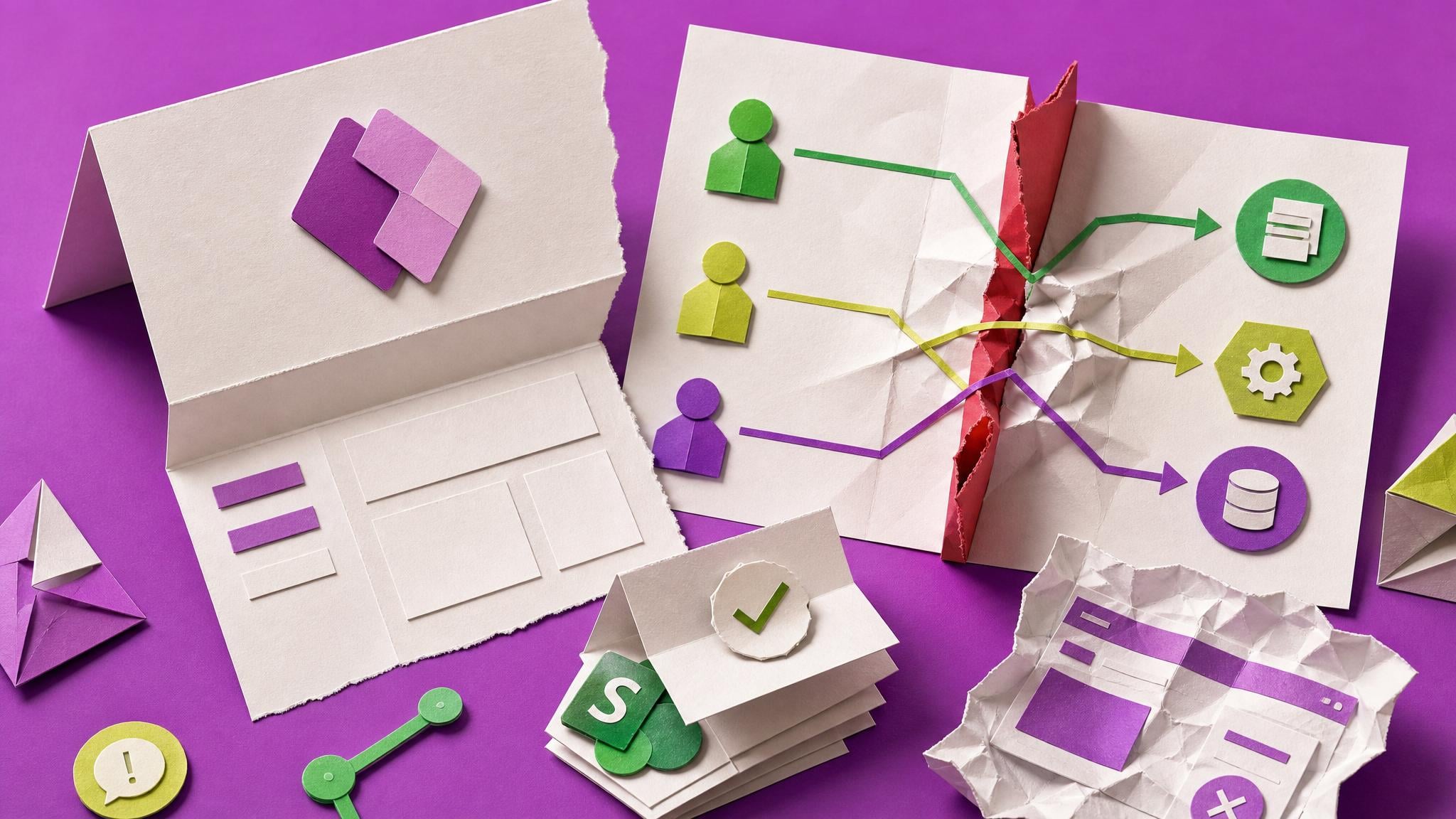
A Microsoft partner with twenty years of experience released a statement on June 24 claiming that AI-generated Power Apps pass early demos but break in production. The failures center on role-based security, audit trails, and connections to live data. The firm states that governance requirements and proper data architecture are the main gaps. It notes that simple apps can still be built by non-developers, but anything involving multiple users or sensitive records needs more structure. No new product features were announced. The release serves as a public warning timed with wider Copilot adoption.
Until now, builders could start an app from a Copilot prompt, connect it to SharePoint, and ship a working prototype within a day or two. The assumption was that any rough edges could be fixed later. That assumption no longer holds once the app moves beyond a single list and a few users. Permission rules, approval steps, and data relationships must be designed up front, or the app quietly returns wrong results or blocks the people who need it most.
Analysis
Treat the first hour of any new app as data modeling time, not screen building time. Map every role, approval state, and list relationship on paper before you let Copilot touch the canvas.
Source note
Pulse published by Collab365 Spaces, reviewed by Helen Jones on . Cite as "AI-built Power Apps often fail once they reach real users and permissions", Collab365 Spaces. 1 source referenced.