Copilot needs cleaner Power BI models to answer well
 Reviewed by Helen Jones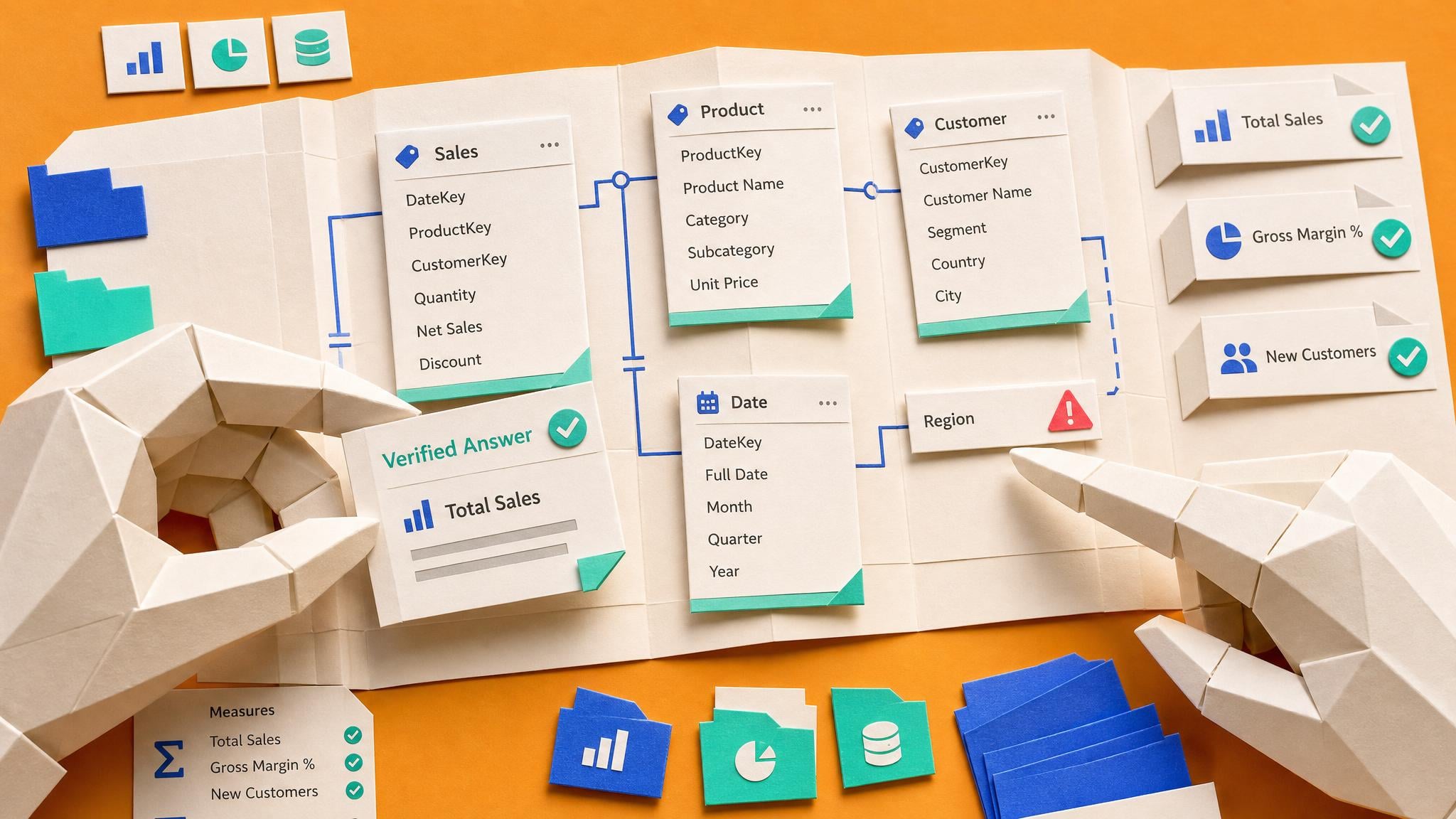
A Microsoft Fabric Community article published on June 16, 2026 and updated on June 21 argues that Copilot and Fabric data agents depend on the context inside the Power BI semantic model. The post explains how unclear KPI definitions, ambiguous fields, poor model design, and missing descriptions can make AI-generated answers look confident but wrong. Microsoft’s Prep data for AI guidance points to the same direction: use AI data schemas, verified answers, and AI instructions to reduce ambiguity before sharing reports with Copilot users.
Before Copilot entered the reporting workflow, a good analyst could often compensate for a messy model. They knew which “quantity” measure Finance meant, which table was trusted, which local exception mattered, and which dashboard number needed a quiet caveat before it went to leadership. That hidden knowledge now becomes a weak spot. If the semantic model does not explain the business terms, measures, exclusions, security rules, and trusted fields, Copilot has less context to work with and users may get inconsistent answers from the same reporting estate. For report builders, AI readiness is not a separate project. It starts with the ordinary model hygiene work that makes Power BI trustworthy anyway.
Analysis
Pick one report that people already question, then review its semantic model descriptions, measure names, hidden fields, and KPI definitions before enabling wider Copilot use. Add one verified answer for a common leadership question and test whether Copilot returns the answer you would be willing to defend.
Source note
Pulse published by Collab365 Spaces, reviewed by Helen Jones on . Cite as "AI answers are only as good as the Power BI semantic model underneath", Collab365 Spaces.