UK Cyber Essentials scheme mandates multi-factor authentication and faster patching from April 2026
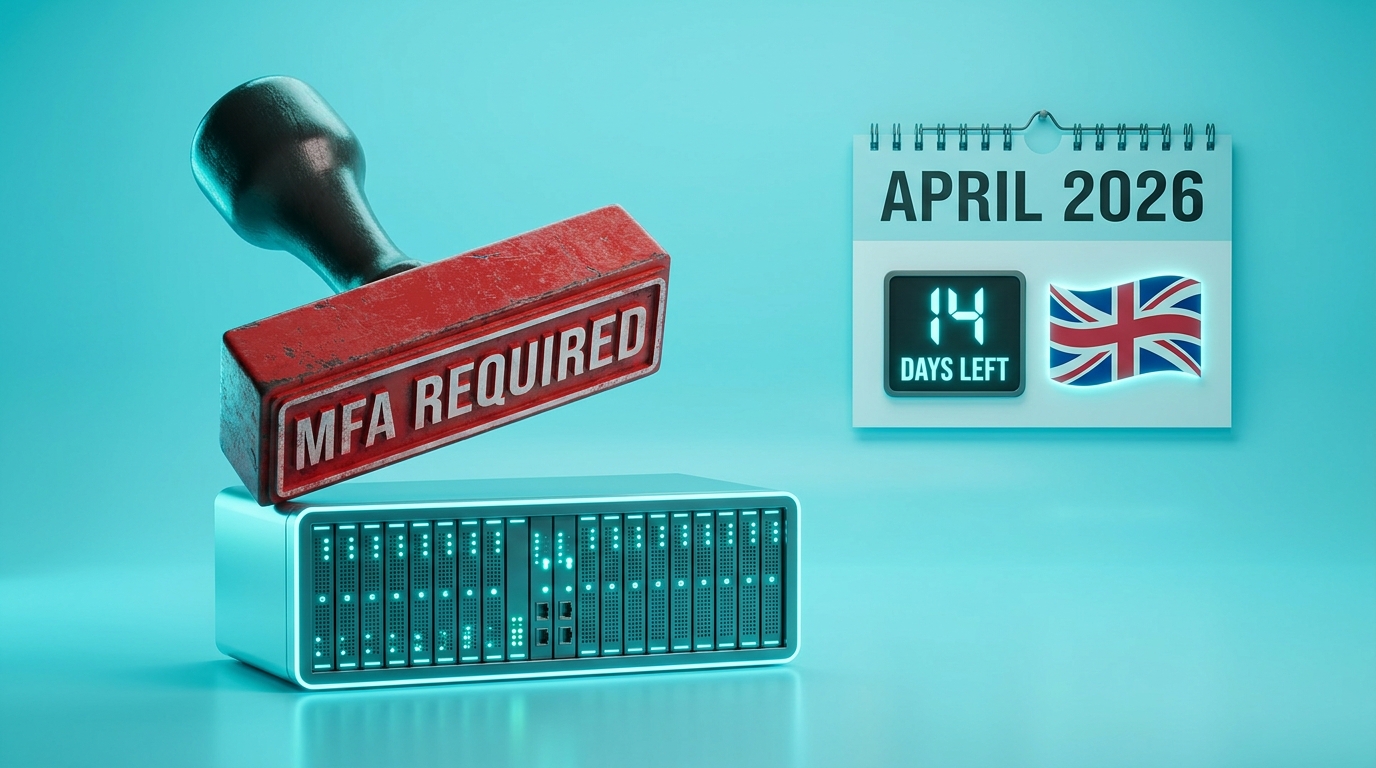
From April 2026, the UK Cyber Essentials cybersecurity certification will require multi-factor authentication, or MFA, on all cloud services such as Microsoft 365 or Google Workspace. Assessments will automatically fail without it, and organisations can no longer exclude cloud platforms from their scope if they hold business credentials or process data. Critical and high-risk security patches must now be applied within 14 days on every device, with failures triggering automatic rejection. A new set of questions called Danzell replaces the old Willow framework from April 27, and Cyber Essentials Plus audits demand tighter evidence and retesting. These rules apply to all new certifications and renewals after April 26, based on real breach data to close common gaps.
Cloud-reliant businesses previously skimmed certification by excluding SaaS tools or delaying patches beyond two weeks, passing audits despite real risks. Solo operators treated compliance as an optional chore, buried under feature tweaks and server fiddles. Now every Azure or Cloudflare setup enters the spotlight, with auto-fails forcing hygiene that exposes weak async ops. Bootstrapped teams gain a rare edge: certified status becomes a quiet sales hook in direct response funnels, while rivals waste weeks on manual fixes.
Analysis
This slams the door on builder's avoidance hiding in 'tech debt' – treat it as your forced pivot to bulletproof async ops that outsell uncertified competitors. Right now, fire up Claude with a prompt chain to map your exact cloud scope, generate the self-assessment doc, and Zapier it to auto-alert on MFA gaps and 14-day patches.
Source note
Pulse published by Collab365 Spaces. Cite as "UK Cyber Essentials scheme mandates multi-factor authentication and faster patching from April 2026", Collab365 Spaces. 1 source referenced.